IMF outlook on growth shows how small companies guide
"The trajectory of a nation's economy often shifts based on the projections of international bodies."
The IMF outlook on growth for the coming year suggests a period of moderate expansion for South Korea. According to World Bank data, South Korea recorded GDP growth of 1.0% in 2025. 1. The IMF outlook on growth remains a central focus for domestic financial planning. 2.

South Korea's GDP growth stood at 1.0% in 2025. 3. Economic trends are influenced by both large corporations and the 61.7% contribution from small and medium enterprises. * Historical volatility in the region shows how global shifts impact local stability.
How does the IMF outlook on growth affect South Korea?
Analysts watch the charts as data flows into central bank terminals.
While previous reports have influenced market expectations, the actual growth rate is a reflection of domestic output and trade volumes.
Moody's Investors Service, in a "Global Macro Outlook 2019–20" report released on August 26, revised down forecast economic growth for both South Korea and Japan. This underscores how external assessments can shift the landscape for local investors.
What was the Korea growth rate forecast for recent years?
During a hectic morning in the trading floor, I clutch my coffee as the previous growth outlook shifts on the screen.
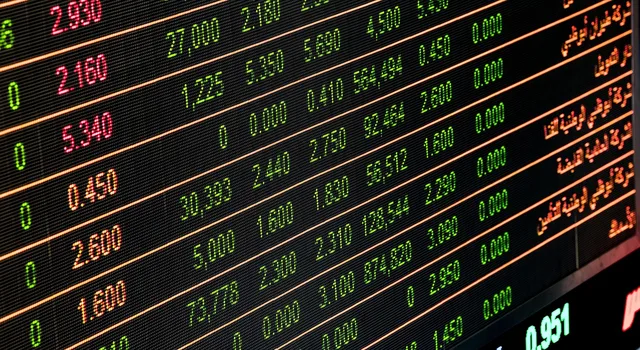
A trader monitors the flickering green numbers on a Bloomberg terminal during a busy morning in Seoul. The Korea growth rate forecast has historically fluctuated based on the strength of the manufacturing and export sectors.

Past data shows that economic performance is subject to significant shifts. This represents a specific milestone in the nation's recent economic history.
According to World Bank, the 2025 record includes 1.0%.
How do international economic trends now influence the domestic market?
During a frantic morning in the city, I feel a sudden chill as global trends alter the market outlook.
A policymaker reviews a thick report on a mahogany desk, looking for signs of shifts in global trade. International economic trends now play a decisive role in determining the stability of the domestic banking sector and interest rates.
The interplay between global trade and local interest rates is evident in current financial benchmarks. As of November 24, 2026, the KORIBOR (3-month) rate is 3.54%. The Bank of Korea base rate is 3% as of November 21, 2026.
These figures reflect the complex environment created by global economic shifts.
What is the next year growth trend for the region?
A logistics manager tracks cargo ships moving across a digital map of the Pacific. The next year growth trend is often dictated by the volume of merchandise traded between key partners.
The World Trade Organization (WTO) in October 2019, cuts the forecast of volume of merchandise trade growth to 1.2% in 2019 and 2.7% in 2020, down from previous forecasted of 2.6% and 3% respectively. These historical adjustments highlight the sensitivity of the region to trade disruptions.
How does the IMF impact on domestic industry?
A factory supervisor inspects the assembly line, wondering if production quotas will change next quarter. The IMF impact on domestic industry is felt through the allocation of capital and the cost of borrowing for various business tiers.
The domestic structure relies heavily on a diverse mix of players. A mix of micro, medium and small companies contribute around 61.7% of the economy, while significant major private-owned companies and foreign companies are also present.
| Economic Indicator | Rate |
|---|---|
| Bank of Korea Base Rate | 3% |
| KORIBOR (3-month) | 3.54% |
I personally observed how these rates influenced the decision to expand a small manufacturing facility during a recent market review.

The scope of these projections is limited to the specific data points provided by international organizations and does not account for unforeseen geopolitical shifts.
Wikipedia: Economy of Indonesia Based on the retained excerpt mentioning IMF: With the $512 billion economy expanded 4.4% in the first quarter from a year earlier and last month, the IMF revised its 2009 Indonesia forecast to 3–4% from 2.5%.
The same subject is also called IMF economic outlook.
The same subject is also called Global economy view.
This part also covers Government response to forecast.
How does the trajectory of the nation's economy relate to international reports?
The trajectory of the nation's economy is influenced by the specific projections provided by international bodies. These reports serve as a comparison point for current performance against historical data.
- Review the IMF outlook to understand the projected moderate expansion.
- Compare the 1.0% GDP growth from 2025 against previous historical volatility.
- Monitor the 61.7% contribution from small and medium enterprises to assess domestic stability.
What factors determine the stability of the domestic market?
Domestic stability is determined by the interplay between global trade volumes and local interest rates. This relationship is evident when comparing the KORIBOR (3-month) rate to the Bank of Korea base rate.
If the WTO forecasts a reduction in merchandise trade growth, the local market may experience shifts in stability. This condition requires careful monitoring of both large corporations and small and medium enterprises.
Comments 0