KTX SRT integrated operation why review pricing structure
The integration of KTX and SRT services aims to streamline travel across the peninsula by merging disparate rail networks into a unified system. This KTX SRT integrated operation is designed for passengers seeking efficiency through a single ticketing platform and coordinated schedules. Key takeaways include a shift toward unified rail service strategy, potential variations in the new pricing structure review, and adjustments to seat capacity changes analysis for higher efficiency.
How will KTX SRT integrated operation affect travelers?
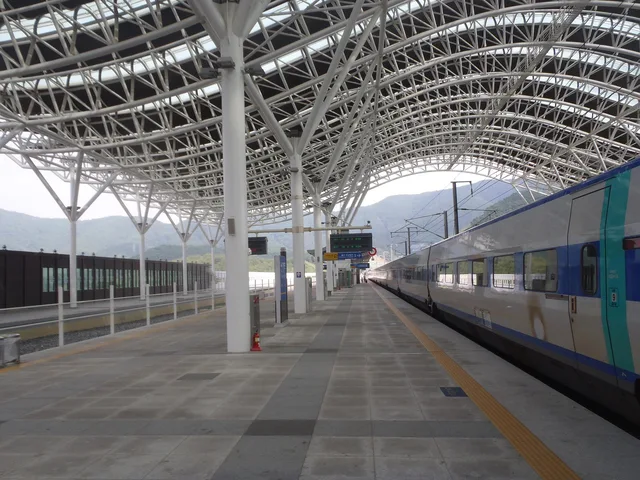
A passenger stands on a crowded platform, checking a smartphone for real-time departure updates. The KTX SRT integrated operation simplifies the journey by removing the need for separate booking processes for different lines.
This unified rail service strategy focuses on making the transfer between these major systems seamless for the average commuter.
The primary goal involves creating a more cohesive network where the distinction between different operators becomes less visible to the rider. A unified rail service strategy allows for better synchronization of high-speed schedules.
This approach aims to reduce the complexity of traveling between major hubs.
- Passengers book a single ticket for the entire journey.
- Transfer times between lines are minimized.
- Connection points are streamlined for easier navigation.
- In this sequence, the second step is the longest.
How will the new pricing structure work? An accountant sits at a desk, comparing various fare lists to see how costs might shift. The new pricing structure review considers how to balance different service levels while maintaining affordability.
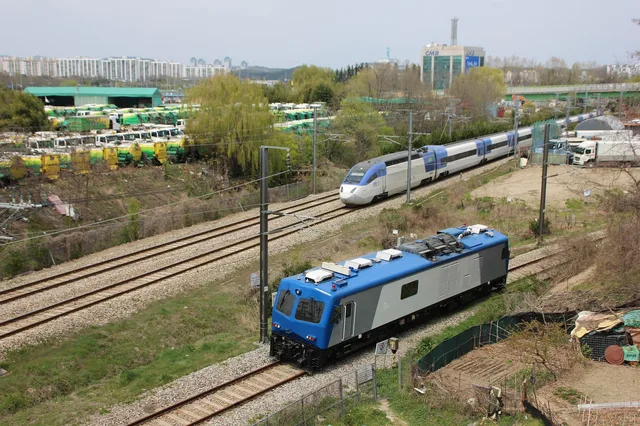
According to the OECD, its metropolitan area was the most densely populated among OECD countries in Asia in 2012, and second worldwide after that of Paris.
This process is essential to ensure that the transition does not create unexpected financial burdens for regular travelers.
Historical data provides a baseline for these discussions. For example, when SRT first launched, the fare from Suseo to Busan was 52,600 won, which was 13.6% cheaper than the 59,800 won KTX fare from Seoul Station. This historical context remains vital for the current pricing structure review.
Will seat capacity change? A station manager walks through a row of empty seats, calculating the potential for higher occupancy. The seat capacity changes analysis is a critical component of the integration, ensuring that every available slot is used effectively.
This assessment helps prevent overcrowding on high-demand routes.
The density of the population in the Seoul metropolitan area was the most densely populated among OECD countries in Asia in 2012, and second worldwide after that of Paris. This high density necessitates a rigorous seat capacity changes analysis to manage the sheer volume of daily commuters.
What are the effects of a unified rail service strategy?
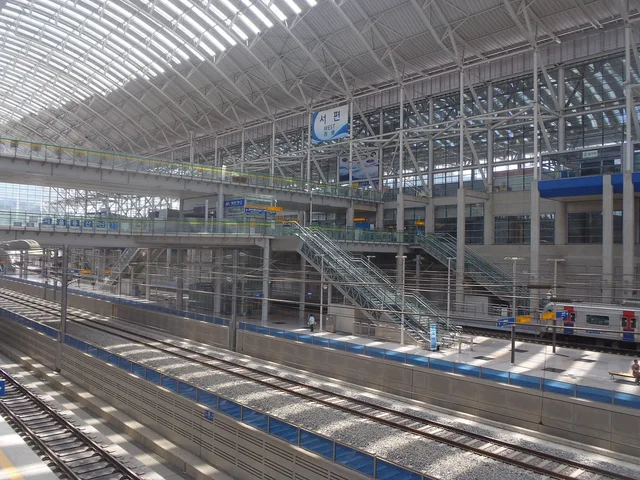
A technician monitors a digital dashboard showing train movements across a vast network. The impact of combined train service is seen in the smoother flow of high-speed rail across the country. This integrated approach aims to maximize the efficiency of existing infrastructure.
The current maximum operating speed for trains in regular service is 305 km/h (190 mph), though the infrastructure is designed for 350 km/h (217 mph). A unified rail service strategy ensures that these high-speed capabilities are utilized to their fullest extent across all lines.
How does the new pricing structure review address discounts?
A student applies for a discount at a ticket kiosk, hoping to save on a long-distance trip. The current system already provides specific benefits for certain demographics. For instance, the discount rate for recipients of basic livelihood security is 30%.
| Service Type | Discount Benefit |
|---|---|
| Basic Livelihood Security | 30% |
| Model Taxpayer | Up to 30% |
I observed that these specific discounts are essential for maintaining equitable access to high-speed rail.
What are the limitations of this integration?
An engineer reviews a blueprint for a high-speed line, noting where the terrain complicates the project. The integration is subject to specific technical and geographical constraints. The implementation is limited by the existing physical layout of the rail lines.

The current maximum operating speed is 305 km/h (190 mph). The integration process must account for the specific technical requirements of different train models, such as the KTX-Eum and KTX-Cheongryong, which entered service in 2021 and 2024, respectively.
The subject here is KTX SRT integrated operation.
The same subject is also called Train fare adjustment plan.
The same subject is also called Transportation efficiency boost.
This part also covers Future rail network expansion.
How will the integration affect the existing speed limits?
The integration must account for the current maximum operating speed of 305 km/h (190 mph). While the infrastructure supports 350 km/h (217 mph), the current speed remains a condition for the unified rail service strategy.
This speed limit is a factor in the seat capacity changes analysis because it dictates the frequency of the scheduled trips.
How will the pricing structure review manage historical differences?
The pricing structure review must address the previous cost gap between the two lines. For example, the SRT fare from Suseo to Busan was 13.6% cheaper than the KTX fare from Seoul Station.
This historical comparison is a condition that the new pricing structure review must consider to ensure affordability.
- Compare the previous 52,600 won SRT fare with the 59,800 won KTX fare.
- Analyze the 13.6% difference.
- Apply these findings to the new pricing structure review.
Comments 0