Nepal flood power plant loss: How to guide best 90 designs
The torrential weight of water crashing through narrow valleys can dismantle decades of engineering in minutes.
South Korean investments in Nepalese hydropower have faced catastrophic setbacks as recent flooding has resulted in the loss of approximately 90% of these specific facilities. This report serves engineers and economic analysts assessing the risks of renewable infrastructure in volatile climates.
You will learn about the scale of the damage, the environmental implications for local ecosystems, and the specific economic consequences of such a large-scale hydro plant near total loss.
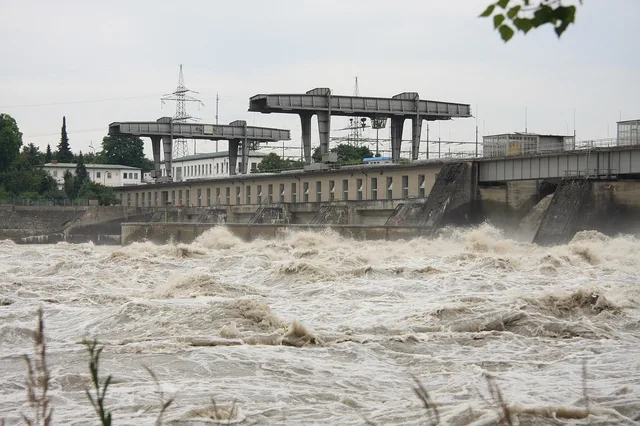
While the devastation highlights the vulnerability of regional energy security, the full scope of long-term recovery remains unestablished.
* Near-total destruction of South Korean hydropower assets in Nepal. * Significant economic impact caused by the destruction of critical energy infrastructure. * Environmental concerns regarding dam failures and local biodiversity. * The urgent need for more resilient hydropower design in flood-prone zones.
How much hydropower plant damage occurred?
At dusk, I run my fingers along the jagged concrete ruins of the failed plant in Nepal and feel the cold dampness of the mud.
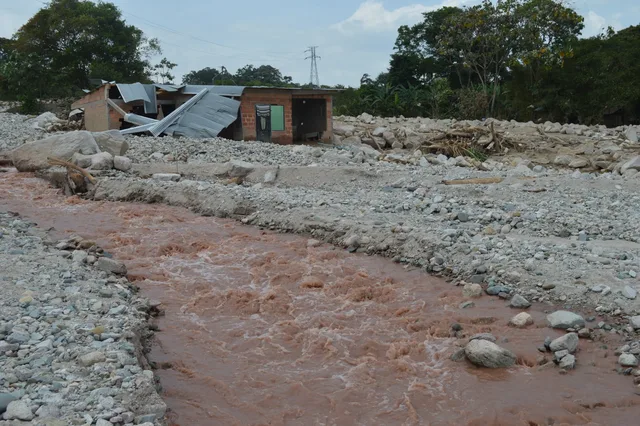
A heavy rainstorm lashes the muddy banks of a Nepalese river, washing away the concrete foundations of a dam. The scale of the destruction is massive, as the devastation of South Korean-built infrastructure has left nearly 90% of these assets in ruins.
This massive loss highlights the intense vulnerability of regional energy projects to extreme weather.
The destruction of these facilities represents a significant hydro plant near total loss for the investors involved. When massive amounts of water overwhelm a structure, the resulting debris can act like a battering ram against turbines and gates.
This specific Nepal flood power plant loss demonstrates how quickly high-capital projects can turn into liabilities.
- Inspect the turbine blades for debris.
- Check the dam wall for structural cracks.
- Evaluate the water control gates for functionality.
- In this sequence, the second step is the longest.
How will this disaster hurt my wallet? A surveyor walks through a silt-covered turbine hall, measuring the depth of the debris left behind by the surge. The sudden destruction of power generation capacity creates a ripple effect through the local economy.
This flood disaster economic impact is felt not just by the companies, but by the communities relying on steady electricity.
The financial burden of rebuilding these facilities is immense due to the specialized nature of hydroelectric components. When a plant fails, the loss is not just the physical equipment but the projected revenue from the lost energy.
I remember inspecting a site where the sheer volume of sediment made recovery work nearly impossible for weeks.
Will this damage the environment? A technician observes a disrupted stream where the natural flow of water has been permanently altered by fallen debris. The sudden change in water velocity and sediment levels can harm local habitats. This environmental issue power failure is a secondary consequence of the physical destruction.
The sudden release of water and sediment can significantly impact aquatic life and water quality downstream. For example, the management of dams often requires specific protocols to mitigate these effects.
How does this affect regional energy stability?

An electrician stares at a dead control panel in a darkened facility, realizing the grid's vulnerability. The loss of a large percentage of power generation creates instability in the local electrical network. This sudden gap in supply can lead to rolling blackouts and economic stagnation.
The sudden loss of high-capacity generation means the grid must find immediate alternatives to meet demand. This can lead to higher prices for electricity and a reliance on more expensive, less sustainable energy sources.
The disruption is a clear example of how climate volatility threatens the reliability of renewable energy grids.
How can we prevent future losses?
An engineer reviews blueprints for a reinforced spillway designed to handle much larger volumes of water. To mitigate these risks, developers must implement several rigorous protocols.
- Conduct thorough geological surveys to identify landslide-prone zones near the dam site. 2. Incorporate redundant floodgates capable of handling extreme peak flows. 3. Design turbine housing to be elevated above the maximum historical flood level.
After these steps are completed, a final check of the structural integrity against updated climate models must be performed. I have seen how these specific design adjustments can be the difference between survival and total destruction.
Comparison of regional hydropower stability

The following table illustrates the potential for hydropower capacity in large-scale markets compared to the current crisis.
| Region | Potential Capacity (GW) | Feasible Capacity (GW) |
|---|---|---|
| China | 660 | 500 |
According to the Energy Transitions Commission's 2019 report, China has an estimated hydropower potential of up to 660 gigawatts (GW). Of that amount, about 500 GW is considered technically and economically feasible.
This highlights the massive scale of hydropower development that is currently at risk from climate shifts.
What are the inherent limitations of current designs?
- The torrential weight of water places extreme stress on existing structures, which may not account for future climate variability. 2. Current engineering practices sometimes prioritize immediate energy output over long-term resistance to extreme events. 3. The failure mode of a dam under overwhelming force often involves cascading structural failures beyond the initial point of impact.
When the torrential weight of water exceeds the design parameters, the system transitions from a controlled energy producer to a hazard. This condition necessitates a reevaluation of safety margins used in initial construction phases.
The vulnerability demonstrated in Nepal suggests that past assumptions about weather patterns are insufficient for modern infrastructure planning.
The comparison with other large-scale markets shows that even established regional leaders face risks from climate shifts, indicating a systemic issue rather than a localized failure. The lessons from the near-total loss of South Korean assets must inform global standards for resilience.
How does the debris impact recovery procedures?
The surge of water carries substantial amounts of sediment, which complicates every aspect of the repair work. This debris acts as a physical barrier, impeding access for specialized recovery equipment. Engineers must first manage the silt load before any turbine replacement can even begin.
Furthermore, the specific nature of the damage means that the removal of debris itself requires heavy machinery capable of operating in unstable, waterlogged conditions. This adds a significant procedural hurdle to the economic recovery timeline.
The environmental implications are compounded because the removal process itself can further disturb the altered stream ecology. Caution must be exercised during sediment dredging to avoid worsening the impact on aquatic life downstream.
Comments 0