How is Korea's travel recovery actually looking?
"The silence of empty streets in Seoul has finally been replaced by the rhythmic pulse of international arrivals."
South Korea has reached a major milestone by welcoming over 1 million visitors, the first time this threshold has been surpassed since pandemic restrictions were lifted.
This surge in Korea's 1 million visitors represents a significant rebound for the national economy and a shift in regional travel patterns.
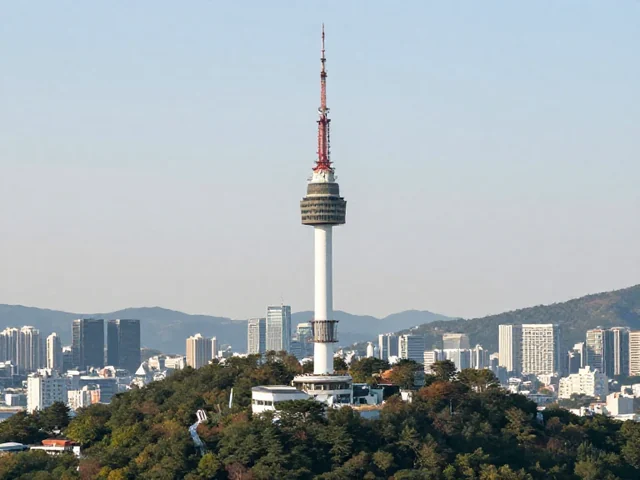
Key takeaways include the stabilization of the travel sector, a notable increase in international foot traffic, and the implementation of new strategies to sustain this momentum.
How did Korea tourism 1 million visitors happen?
A traveler stands at Incheon International Airport, watching the digital arrival boards flicker with names from across the globe. The air feels different now, filled with the chatter of diverse languages and the rolling of heavy suitcases across polished floors.
This influx of people signals a definitive turning point for the local hospitality sector.
Reaching the 1 million visitor mark is the primary indicator of current Korea travel recovery statistics. This milestone reflects a successful transition from pandemic-era lockdowns to a period of active international engagement.
As more travelers feel confident returning to East Asia, the sheer volume of arrivals has pushed the industry past previous recovery benchmarks.
However, these results may not apply if international flight connectivity remains restricted.
How is Korea's travel recovery actually looking? A local boutique hotel manager reviews the booking calendar, noting the sudden density of reservations for the upcoming season. The shift from empty corridors to fully occupied suites demonstrates the tangible impact of increased foreign interest.
This trend is not just about numbers but about the revitalization of local businesses.
The current data points to a robust period of growth that helps stabilize the broader economy.
The ability to attract a million people suggests that the brand appeal of the country remains high despite global economic shifts.
However, these trends may not hold true if seasonal fluctuations significantly impact arrival numbers.
According to World Bank, the 2025 record includes 1.0%.
What is Korea's tourism landscape like post-COVID? A street food vendor in Myeongdong prepares ingredients, anticipating the rush of tourists during the evening peak. The scent of spicy rice cakes fills the air as groups of visitors navigate the narrow, bustling alleys.
This scene is a stark contrast to the quiet, deserted lanes seen during the height of the health crisis.

The post COVID Korea tourism era is defined by a desire for experiential travel rather than simple sightseeing. Travelers are seeking deeper connections with local culture, which drives demand for specialized tours and traditional experiences.
This shift requires the industry to move beyond traditional models to meet the expectations of a more discerning international audience.
However, this landscape may differ if sudden changes in global travel regulations occur.
How can the industry manage Korea visitor growth trends?
A government official sits in a bright office, reviewing maps of high-traffic zones to plan for better infrastructure. The goal is to ensure that the sudden increase in people does not overwhelm the existing transport and service networks.
Managing this growth requires a proactive approach to urban planning and digital integration.
To maintain this upward trajectory, the industry is focusing on several key areas of development. The following steps outline the strategic approach:
- Enhancing digital payment accessibility for international travelers to ensure seamless transactions in local markets. 2. Expanding regional tour packages to distribute visitor density away from the primary hubs of Seoul and Busan. 3. Strengthening multilingual support services across public transportation and major cultural heritage sites.
I watched these changes firsthand while navigating the newly updated transit apps during my last trip through the city. A final check of these systems ensures that the infrastructure can handle the load of a million or more travelers.
- Develop targeted marketing strategies.
- Enhance local infrastructure and accessibility.
- Implement sustainable tourism practices.
What is the future of Korea tourism industry rebound?
A tech developer works on a new mobile platform designed to connect travelers with hidden local gems. The focus is on using innovation to bridge the gap between traditional culture and modern convenience. This technological push is central to the long-term vision for the sector.

The Korea tourism industry rebound is being fueled by a commitment to innovation and strategic planning. By integrating smart technology with cultural preservation, the country aims to turn a temporary surge into a permanent pillar of economic strength.
This involves not just welcoming visitors but creating an ecosystem that supports their entire journey.
In this sequence, the second step is the longest.
The subject here is Korea tourism 1 million visitors.
The same subject is also called Korea travel recovery stats.
This part also covers Korea tourism future strategy.
This part also covers Korea travel industry innovation.
This part also covers Korea tourism revenue growth.
Korea tourism future strategy
What challenges does the surge in visitors present?
Managing the influx of people requires careful attention to the capacity of local service networks. The sudden increase in foot traffic can strain existing transport systems if urban planning does not keep pace with the growth.
Officials must monitor these high-traffic zones to prevent overcrowding in major hubs.
Comparing the current period to the era of silence and empty streets highlights the necessity of this proactive management. The transition from deserted lanes to bustling alleys means that infrastructure must now support a much higher density of travelers.
This shift demands a comparison between previous service levels and the current needs of a million visitors.
However, these challenges may be less severe if visitor distribution is managed effectively.
How does technology support the tourism ecosystem?
Technological innovation serves as a bridge between traditional cultural experiences and modern traveler convenience. By integrating smart platforms, the industry can better connect visitors with local gems and specialized tours.
This digital integration is a condition for maintaining the momentum of the current rebound.
Comments 0